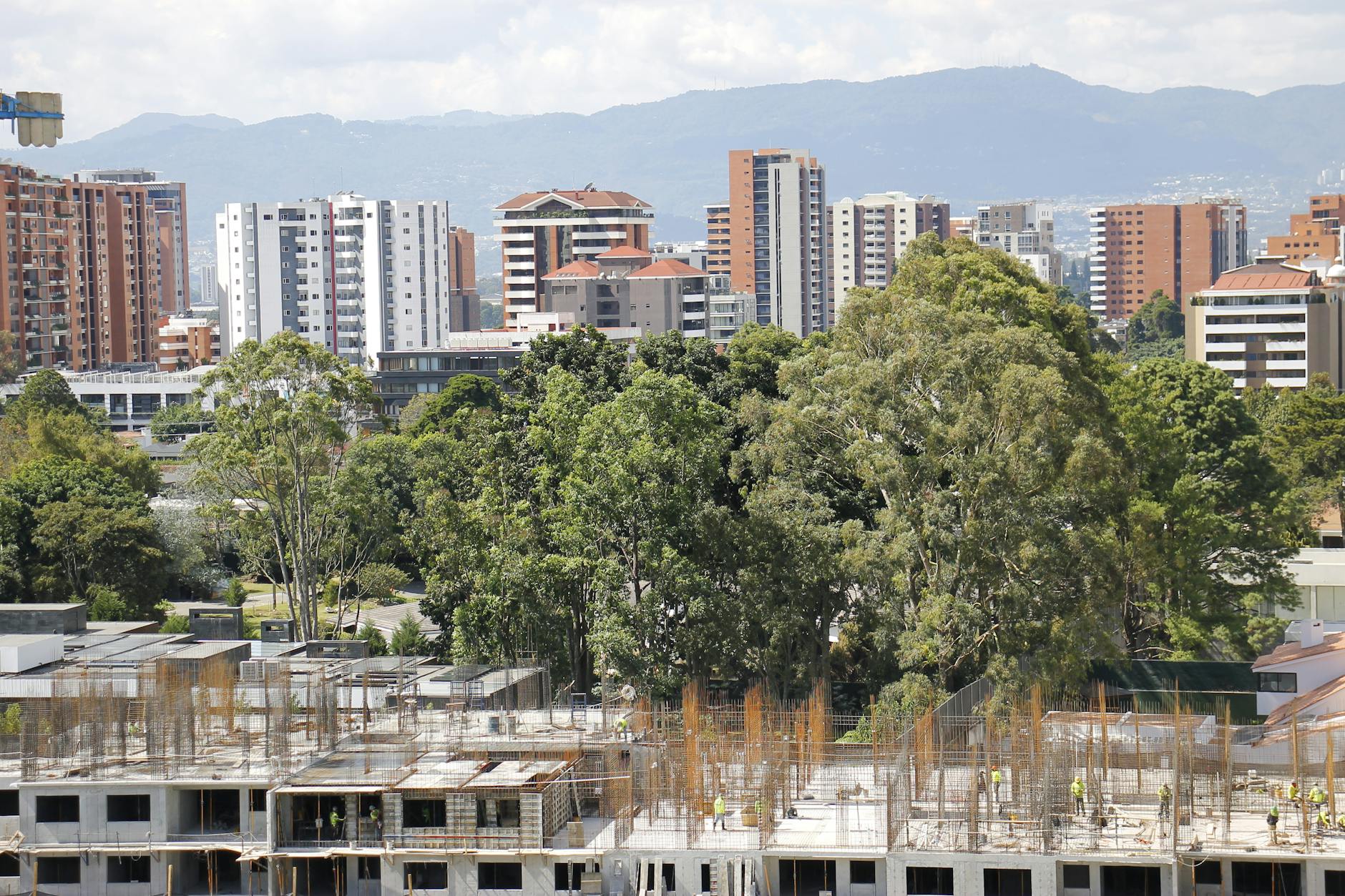
The taxi from José María Córdova airport drops out of the clouds, the valley opens up, and suddenly there are bricks. Thousands of them. Orange-red apartment towers stacked up the green sides of the Aburrá valley like someone tipped over a box of Legos. You crack the window because it’s 22°C and the air smells like rain on warm pavement. That’s the moment a lot of people decide they’re staying longer than they planned.
Medellín has been on the digital nomad map for years, but 2025 is the year the dust settled. The hype crowd thinned out, the serious remote workers stayed, and the city found a rhythm that’s honestly hard to beat: fiber internet that doesn’t flinch, weather that never argues with you, and a coliving scene that finally grew up. Here’s what coliving Medellín actually looks like right now — from someone who lives here.
Why Medellín still wins on paper (and in practice)
Pitch it as a spreadsheet and it’s already won. Year-round 70s, a metro system that locals are weirdly proud of (and rightly so), domestic flights to Cartagena for less than dinner, and fiber connections that pull 300+ Mbps in most decent buildings. Add in a time zone that overlaps the entire US workday and a cost of living that lets you keep your Brooklyn salary in your Brooklyn account, and you can see why the math works.
But the spreadsheet misses the texture. Medellín is loud, generous, and unreasonably alive. Reggaeton from the corner store at 9am. The mango lady who upgrades you to two for the price of one because you finally pronounced “con limón y sal” right. The way the whole city seems to migrate outdoors on Sundays for Ciclovía. You don’t “work remotely from Medellín” so much as you fold your laptop into a city that’s already doing its thing without you.
The neighborhood question: El Poblado vs. Laureles vs. Envigado
If you spend more than twenty minutes in a nomad Slack, you’ll hit this debate. Here’s the short version, minus the tribalism:
- El Poblado — Specifically the Provenza / Manila pocket. Highest density of cafés, cocktail bars, coworking, and English-speaking everything. Also the highest prices and the loudest weekends. Convenient. A little bubble-y.
- Laureles — Flat (your knees will thank you), tree-lined, residential but never boring. La 70 if you want salsa, Carrera 33 if you want a quiet morning. Increasingly where people who’ve been here a while end up.
- Envigado — Technically its own municipality. Older, more paisa, less polished. The pace is slower and the chicharrón is better. Good for people who want a neighborhood, not a scene.
The honest answer most colivers land on: stay in Laureles for the everyday, take an Uber to El Poblado when you want the noise. That’s the setup at CO404 Medellín — close enough to plug into the action, far enough to actually sleep.
What coliving Medellín actually includes (and what it doesn’t)
The word “coliving” gets thrown around to mean everything from a glorified hostel bunk to a luxury tower with a concierge. A real coliving, the kind that’s worth your money, sits in the middle: private rooms, a workspace that doesn’t make your back hurt, a kitchen people actually cook in, and — the part nobody advertises well — a community manager whose actual job is making sure you don’t spend three weeks talking to no one.
At CO404 Medellín, the practical stack looks like this:
- Symmetric fiber WiFi with a backup line, because one Zoom dropped is funny and two is your client emailing your boss
- Private rooms with proper desks (not a nightstand pretending to be a desk)
- A communal kitchen, rooftop, and at least one corner that’s always quiet for calls
- Weekly house dinners, language exchanges, and the occasional impromptu trip to Guatapé
- A team that speaks Spanish, English, and the universal language of “the washing machine is doing the weird thing again”
What it doesn’t include: a personality transplant. If you show up determined to never leave your room, the building can’t fix that. But the design of the place makes it almost embarrassingly easy to bump into people. Coffee runs out, someone restocks it, you end up in a forty-minute conversation about their startup. That’s the loop.
The real cost of a month here
Forget the cherry-picked Nomad List averages. Here’s how the month actually shakes out for most people we host. Coliving covers your room, workspace, utilities, fast internet, and the social layer in one number — usually somewhere in the comfortable-but-not-luxury bracket. On top of that, you’re looking at:
- Food — A menú del día lunch is still gloriously cheap. Dinner at a nice spot in Provenza will cost you what brunch costs in Lisbon. Cook twice a week and you barely notice the bill.
- Transport — The metro is almost free, Ubers are reasonable, and the Metrocable is both transit and a tourist attraction depending on the day.
- Gym, Spanish classes, salsa lessons — Built into your week without wrecking the budget. Most people do at least two of the three.
Compare it to a solo Airbnb plus a coworking membership plus the social cost of meeting zero people, and the bundle wins every time. The financial side is real, but the bigger saving is in decision fatigue — you stop spending Sunday evening rebooking your life.

A week in the life (the one most people fall into)
Mondays start slow. The light in Medellín is forgiving — even hangovers seem to dissolve faster up here. You work the morning from the coliving, walk to a café in Laureles for a tinto, take a long lunch. Afternoons are for deep work or, honestly, for an Uber to El Poblado if a deadline is being mean to you.
Tuesday is gym day for half the house. Wednesday someone organizes a Spanish exchange that turns into dinner that turns into someone’s birthday. Thursday is salsa night at Son Havana whether you wanted it to be or not. Friday everyone pretends they’re going to work in the morning. Saturday is Guatapé, or paragliding in San Félix, or just brunch and a hammock. Sunday is Ciclovía and recovery food.
It sounds like a lot. It isn’t. The city naturally spaces it out, and the coliving means you’re not the one organizing any of it — you’re just choosing what to say yes to. That’s the game-changer compared to doing this solo from an Airbnb where the only social interaction is the WhatsApp from the cleaning lady.
Who Medellín is (and isn’t) for
It’s for people who like cities. Real, sprawling, contradictory cities with traffic and street food and a metro and bad days. It’s not for people who want a beach town with WiFi — go to Cartagena for a long weekend and get it out of your system.
It’s also a great second base. We see a lot of people pair it with a slower spot: a month in Medellín, a month in Oaxaca or San Cristóbal, then back. The contrast keeps both cities feeling fresh, and you stop pretending one place can be everything at once.
If you’re new to all this — first long trip, first time working from somewhere that isn’t your kitchen — Medellín is lowkey one of the easiest cities in Latin America to land in. English is more common than you’d expect, the infrastructure is solid, and the nomad community is large enough that you’ll have neighbors who’ve been here longer and can answer the dumb questions (we’ve all asked them).
Coming over? Here’s how to do it without overthinking
Book a couple of weeks. Don’t commit to three months from a different continent — you don’t know yet which neighborhood is yours, which café has your seat, which barrio you’re going to refuse to leave. A short stay tells you everything. Most people extend before week two is over.
If you want a soft landing — fiber WiFi waiting, a desk that’s yours, a kitchen full of people who’ve been where you are — come grab a room at CO404 Medellín. Bring a light jacket for the evenings. Save room in your week for a salsa class you swear you won’t enjoy. See you on the rooftop.