
The kid running the panadería on the corner of my block charges 12 pesos for a concha the size of a small frisbee. About 65 US cents. I bought one on a Tuesday in February, ate it walking home in a wool hoodie at noon, and did the back-of-envelope math that every remote worker eventually does here: if breakfast costs less than a New York subway swipe, what does a whole month look like?
Turns out, less than you’d think — but with a few line items that quietly inflate if you’re not paying attention. Here’s what a real month of san cristobal cost of living looks like in 2025, written from a kitchen table at 2,200 meters with a calculator and a slightly opinionated spreadsheet.
The headline number, before the asterisks
A remote worker with a private room, fast fiber, a comida corrida habit, a yoga or gym membership, a couple of weekend trips a month, and a social life that doesn’t involve hostel bunks lands somewhere between $900 and $1,600 USD a month in San Cristóbal.
That’s a wide range on purpose. The bottom of it assumes you’ve sorted housing in a sensible way and you don’t eat dinner at the tourist-strip restaurants where the menus open in English. The top assumes a few splurges, weekend trips that involve hiring a van, and the occasional Friday where mezcal becomes a hobby instead of a drink. The same person can live both versions of this town without noticing they switched.
For context: that band is meaningfully lower than what the same lifestyle costs in Oaxaca City right now, and notably lower than Medellín. San Cris is one of the few places left in the popular nomad map where the prices haven’t fully caught up with the hype.
Housing: the lever that decides everything
Sixty percent of your budget either lives here or doesn’t, depending on the choice you make in week one. Three honest options:
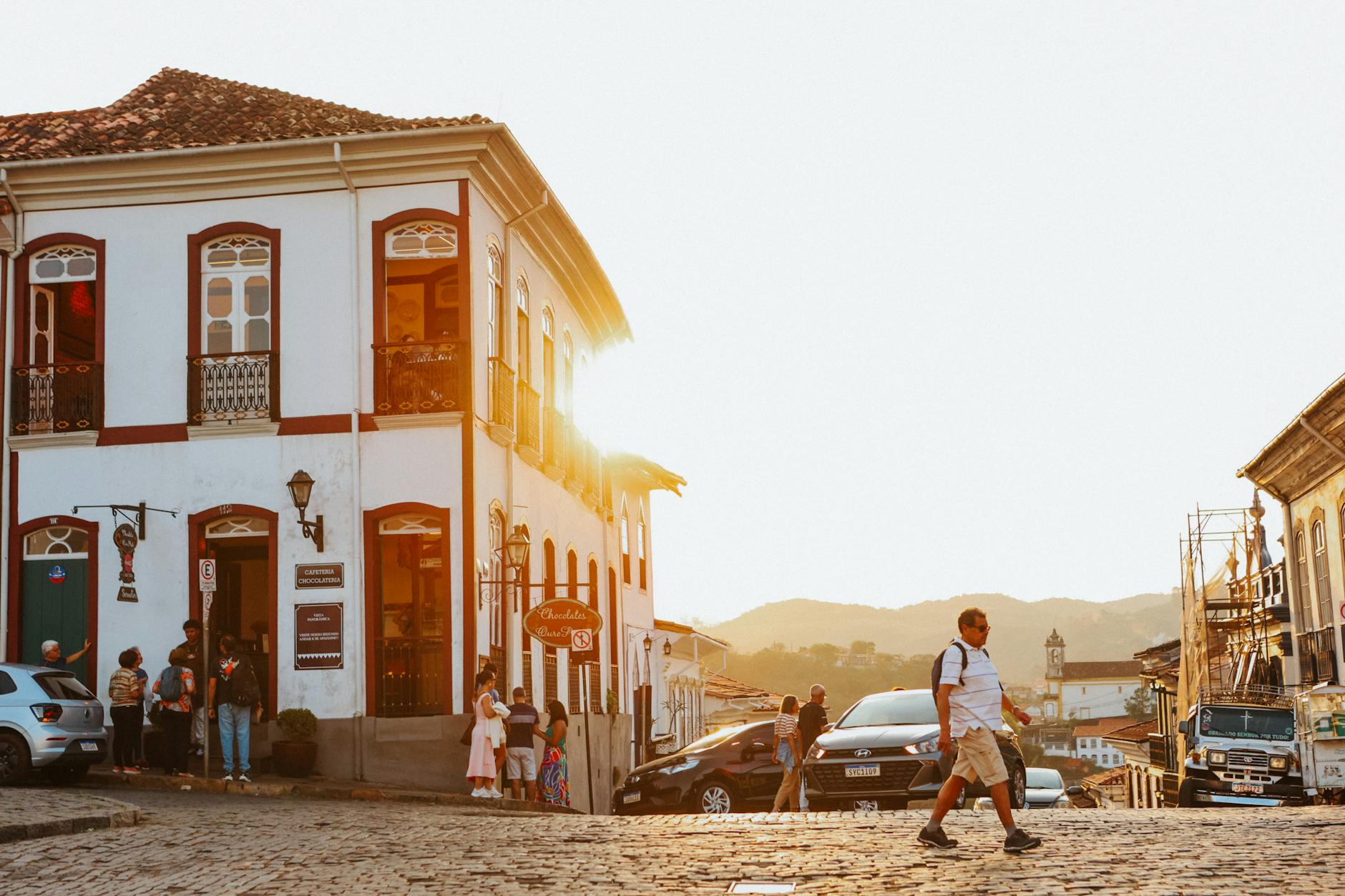
Short-term Airbnb in Centro or near Guadalupe. A cute one-bedroom with the colonial-aesthetic Instagram set-dressing runs $550 to $900 a month, more during high season (December through Semana Santa). The catch is the usual: the WiFi is rolled dice, the colonial buildings have walls so thick your phone signal dies at the bathroom door, and there’s exactly one functional gas burner that the listing forgot to mention.
Long-term unfurnished rental. A real apartment, signed for six months or more, in barrios like Mexicanos or El Cerrillo, drops to $220–$400 a month. You’ll need a Mexican fiador, a deposit, an internet contract, and the kind of patience that handles getting your gas tank refilled by a guy on a bicycle. Worth it if you’re committing to a year. Painful otherwise.
Coliving. A private room in a house built for remote work — stress-tested fiber, a real desk, cleaning, utilities, a kitchen people actually cook in — sits in the $700–$1,100 range depending on the room. That’s the bracket CO404 San Cristóbal plays in, and the math only really clicks once you stack what’s bundled against renting solo with all the setup work that hides behind the cheaper sticker price.
Food: the line item that quietly delights you
This is the part of the budget that ruins you for going home. Chiapas runs on highland produce, family kitchens, and a comida corrida tradition that gets you fed for almost nothing.
- Comida corrida lunch: 70–120 pesos ($4–$7). Three courses, agua fresca, sometimes a dessert. The kind of place where the señora behind the counter starts plating your usual before you sit down by week two.
- Street tamales or tacos for dinner: 15–40 pesos each. The pox-and-tamale combo at the corner stand is its own food group.
- Mercado run for cooking at home: roughly $25–$40 a week for produce, eggs, beans, fresh tortillas, and the kind of avocados that make you suspicious of every avocado you’ve ever bought elsewhere.
- Specialty coffee: 45–70 pesos. Chiapas grows the bean an hour down the road, so you’re drinking it about as fresh as it gets.
- Nice dinner out: $15–$30 a head at the better spots in Centro. Twice a month, easily justifiable.
Honest monthly food spend, mixing cooking with eating out: $220–$380. You’ll come in lower than you expect unless you’re routinely choosing the restaurants with imported olive oil.
The smaller line items that decide whether you hit the low or high band
This is where most budgets quietly lose their shape. The big stuff is obvious. The mid-sized stuff is what surprises you on a Sunday night when you check your bank app.
- Mexican SIM (Telcel or AT&T): $12–$20 a month for plenty of data. Get one at the airport in Tuxtla or any Oxxo in town.
- Yoga, gym, or movement studio: $25–$70 depending on how boutique you go. A drop-in yoga class in San Cris is genuinely the price of a beer.
- Spanish classes: $8–$15 an hour for one-on-one. Twice a week and your Spanish will be unrecognizable by month two.
- Weekend trips: El Chiflón, Sumidero, Montebello, Palenque if you’re feeling brave. Budget $40–$120 per weekend depending on whether you join a van or organize your own colectivos.
- Mezcal and pox at slow bars: $3–$6 a pour. Charming. Dangerous to the spreadsheet.
- Hoodies, blankets, and the wool jacket you didn’t pack: a one-time $30–$80 if you arrived thinking Mexico was hot. (Most people did.)
Realistic combined monthly: $180–$350, depending almost entirely on how many weekend trips you say yes to.

The hidden costs nobody itemizes
A few things that don’t show up in budget spreadsheets but absolutely show up in your month:
The altitude tax. The first three days at 2,200 meters will leave you mildly winded climbing one flight of stairs. You’ll buy more water, more electrolytes, and possibly cancel a workout or two. Budget $15 and a slightly bruised ego.
The decision-fatigue tax. Renting solo means you’re the one researching which colectivo goes to Chamula, which dentist speaks English, which laundry place won’t shrink your one good sweater. It doesn’t cost money exactly, but it costs hours, and those hours are why people pay for the bundled version of life. The whole pitch of a coliving is that those questions get answered at the kitchen table on a Tuesday morning by someone who already made all the mistakes.
The loneliness creep. Working alone from an Airbnb in a town where the streets clear by 9 p.m. is its own quiet cost. The fix is usually social infrastructure you didn’t have to build yourself.
The Airbnb-vs-coliving math, honestly
On paper, a long-term unfurnished rental wins. A cheap Airbnb wins for a week. So why do most people we host end up choosing the middle path?
Because the line on the lease isn’t the real number. Add the coworking pass you’ll buy after your back stages a coup against your kitchen chair. Add utilities, a router contract, the deposit, the trip to the furniture store. Add the Ubers to wherever the social life is happening because you don’t know where it’s happening yet. Add the slow erosion of working alone in a third-month rental, talking to nobody but the woman who sells you bread.
What a coliving bundles is the room, the fiber, the desk, the utilities, the cleaning, and — the line item that doesn’t appear in any budget — the social layer. Someone in the kitchen is already going to El Chiflón on Saturday and you’re invited. The Spanish exchange is in the living room. The decision fatigue evaporates.
For most people at CO404 San Cristóbal, the all-in monthly lands somewhere around $1,100–$1,500. Higher than a bare-bones long-term lease. Lower than a short-term Airbnb plus all the friction of assembling a life solo.
Picking the version of San Cris you want
The honest truth about budgeting in this town is that the $900 month and the $1,600 month are both legit, both fun, and both genuinely possible. They just look like different cities. The cheap month is a lot of cooking, a lot of walking, two weekend trips total, and a quieter social calendar. The fuller month is yoga three times a week, a Spanish tutor, a weekend trip every Saturday, and a mezcal habit you justify as cultural research.
Neither is wrong. Pick the version that matches the life you actually came here to live.
If you want a soft landing — fiber that won’t embarrass you on a client call, a desk that’s yours, and a kitchen full of people who already know which tamale stand is open on Sundays — grab a room with us. Bring a hoodie. Pack a power strip if you’re picky about outlets. The pox is on the house, the first time.