
The bus from Tuxtla climbs for about an hour, and somewhere around the second switchback your ears pop, the air turns sharp, and you realize you’re going to need that hoodie buried at the bottom of your backpack. By the time you roll into San Cristóbal de las Casas, it’s 16°C, smells like pine smoke and copal, and someone is selling tamales out of a basket on the corner. Welcome to the part of Mexico the beach crowd skipped.
This is not a city you speedrun. It’s 2,200 meters up in the Chiapas highlands, the streets are cobblestone, and the altitude will absolutely humble you if you try to do too much in your first 48 hours. Which is why it works so well as a base — and why we’ve put together this slow-travel guide to the town that quietly became one of our favorite spots in the CO404 universe.
Why San Cristóbal punishes fast travelers (and rewards slow ones)
You can technically “do” San Cristóbal in three days. Andador Real de Guadalupe, the amber museum, a colectivo to San Juan Chamula, a sunset at the Guadalupe church, done. People do it constantly. They also leave saying it was “nice” and never think about it again.
That’s not the town’s fault. San Cristóbal hides its good stuff. The best meals are in places without signs. The best coffee comes from a roaster who only opens four days a week because he’s also a beekeeper. The best Sunday is the one where you accidentally walk into a Tsotsil ceremony and stand respectfully at the back. None of that happens on a three-day sprint.
Stay two weeks and the town opens up. Stay a month and you start having those “oh hey” moments on the street with people who now recognize your face. That’s the whole game.
Settling into a neighborhood, not a hotel
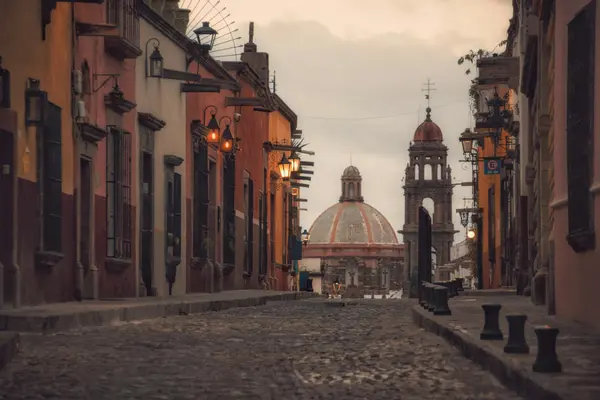
The first thing slow travel asks of you is a real address. Not a hostel where the front desk changes every week — somewhere with a kitchen, a desk, neighbors who will say good morning, and a barrio you start to think of as “yours.”
The historic center is walkable end-to-end in 25 minutes, but each pocket has its own vibe:
- Barrio del Cerrillo — old artisan quarter, quieter mornings, great panaderías, the kind of place where someone is always fixing a bicycle on the sidewalk.
- Guadalupe — the pedestrian street that climbs to the yellow church, café-heavy, where most nomads end up by accident.
- Mexicanos — north of the center, more local, fewer tourists, Sunday market that goes on forever.
- Santa Lucía — south of the center, a little leafier, walking distance to Plaza de la Paz without being in the thick of it.
This is why CO404 San Cristóbal works the way it does. You get a base — fast WiFi, a proper desk, people who already speak the local logic — without having to white-knuckle a six-month lease or guess which neighborhood is “the one” before you’ve even arrived. Slam that laptop shut at 6pm and you’re a ten-minute walk from a mezcal bar where the owner roasts the agaves himself.
A weekly rhythm that actually works
The mistake most people make is treating San Cris like a vacation that happens to have WiFi. The town rewards a rhythm instead. Here’s the one a lot of us slip into without realizing:
Weekday mornings: work, hard
Mornings are crisp, the cafés are quiet, and the internet is at its calmest. Get the hard stuff done before 1pm. Frontera Artisan Coffee, Carajillo, Oh là là — all legit for a couple of focused hours, and all within shuffle-distance of the coliving.
Weekday afternoons: longer lunches, smaller tasks
Comida corrida is the move. You’ll find three-course set menus at family-run spots for the price of a bad airport sandwich back home. After lunch, the light changes and you’ll find your brain wants admin tasks, not deep work. Lean into it.
Weekday evenings: community, not Netflix
This is when San Cris pulls its little trick on you. The pedestrian streets fill up, someone is playing marimba in the zócalo, and you remember you have neighbors. House dinners, language exchanges, that one bar where everyone ends up — the slow-travel thing only works if you let people in.
Weekends: leave town, briefly
San Cristóbal is the launchpad for the rest of Chiapas. Sumidero Canyon, the waterfalls at El Chiflón, the lakes at Montebello, the ruins at Palenque if you’re feeling ambitious. Pick one a weekend. Don’t try to do four in a row — you’ll come back more tired than when you left.
The food map (this is the section to bookmark)
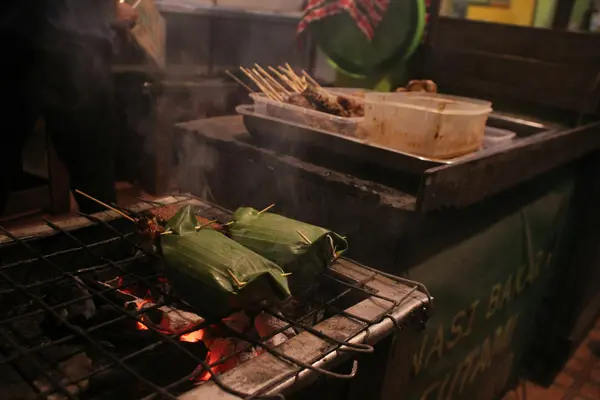
Chiapaneca food is its own thing. Less corn-and-mole than Oaxaca, more pumpkin seed, more highland herbs, more weird and wonderful tamales wrapped in banana leaf instead of corn husk. A starter list, in no particular order:
- Tamales chiapanecos — try the de chipilín and the de azafrán. Buy them from a street vendor before 10am. They sell out.
- Cochito horneado — slow-roasted pork that tastes like a Sunday should.
- Sopa de pan — sounds weird, is wonderful. A Chiapaneca specialty that’s basically savory bread pudding in broth.
- Pozol — fermented cacao-and-corn drink. An acquired taste. Get past it and you’ll be the person ordering it on hot afternoons.
- Pox (pronounced “posh”) — the local distilled corn spirit. Sip it neat. Don’t shoot it. You’re not 22.
The Mercado de Santo Domingo and the smaller Mercado del Norte are both excellent for breakfast, ingredients, and the kind of people-watching that beats any podcast. Bring small bills.
Going deeper: the highlands are right there
San Juan Chamula and Zinacantán are the obvious day trips, and yes, you should go — but go with someone who can actually explain what you’re looking at, not just dump you at the church and disappear. The Tsotsil and Tseltal communities around San Cris have their own languages, their own governance, their own everything. Treat it accordingly. No photos inside the church in Chamula, ever. We mean it.
If you have time, the deeper stuff is what sticks: a weaving workshop in Zinacantán, a coffee farm visit toward the Sierra Madre, a hike around Huitepec where the cloud forest still does its thing. These are the things you’ll talk about years later, not the souvenir shops.
What slow travel actually costs you
Honestly? Less than you think, financially. San Cristóbal is one of the more affordable cities in Mexico — comida corrida lunches are cheap, produce at the market is unreal, and a coliving setup bundles your rent, workspace, utilities, and community into one number you can plan around.
What it costs you instead is the urge to keep moving. The slow-travel trade is this: you give up the new-city dopamine hit every ten days, and in return you get a place where the panadera knows your order, where you have actual friends, where you stop being a tourist and start being a regular. If you’ve been hopping airports for a year, that trade starts looking pretty good.
If you want to compare notes, our Oaxaca house has a different rhythm — more festival energy, lower altitude, hotter days. San Cristóbal is the quieter cousin. Sweater weather, slower mornings, longer conversations.
Come for a week, stay for a month
Most people who land at CO404 San Cristóbal for seven nights end up extending. Not because we trapped them (we didn’t), but because the town has a way of going from “cute” to “wait, I live here now” faster than feels reasonable.
If that sounds like the kind of accidental life detour you’d be into, grab a room, bring a hoodie, and we’ll see you at the kitchen table. The tamales are on the corner.
Comments