
The thermometer in our kitchen read 24°C at 11 a.m. on a Wednesday in February. By 3 p.m. it had nudged to 27. By 7 p.m., when I walked out to grab tlayudas, it had dropped back to a clean 19 and somebody on the corner was selling roasted corn out of a metal drum because that’s apparently what Wednesdays are for here. The day required exactly zero weather decisions. No layers. No umbrella. No checking the forecast at lunch. After a winter in northern Europe where I’d been planning my life around the sky, this felt borderline illegal.
Oaxaca’s climate is one of those quiet superpowers nobody quite advertises properly. The city sits at about 1,550 meters in a valley ringed by mountains, which means the postcard version of “Mexico” — sweat-puddle humidity, mosquitos in your laptop bag, the AC running at full whine — never really happens here. What you get instead is a high-altitude climate that’s more Mediterranean than tropical, and it shapes the whole experience of being a remote worker in this town. Here’s the honest oaxaca weather best time to visit breakdown, written from inside a house that’s lived through every month of it.
The two seasons that actually matter
Forget the four-seasons framing. Oaxaca runs on two: dry and rainy. Dry season is roughly November through April. Rainy season is roughly May through October. The temperature shifts between them are real but mild — we’re not talking about a city that turns into a different planet. Highs sit in the mid-20s most of the year, occasionally pushing into the low 30s in April and May (the hottest stretch), and dropping into the high teens on December nights when you’ll want a hoodie on the rooftop.
Two things to internalize. First, the altitude does the heavy lifting on comfort — even on a hot April afternoon, you step into shade and the temperature drops noticeably. Second, the difference between morning and night is bigger than the difference between months. You’ll wear a t-shirt at noon and a sweater after sunset in roughly half the year. Pack accordingly.
A month-by-month nomad’s eye view
Forecast averages are useful but boring. Here’s what each stretch actually feels like when you’re trying to ship work and have a life at the same time.
November to February. The objectively perfect months if you want sunshine without the heat tax. Days hover in the low 20s, skies are reliably blue, and the light is the sharp, clean kind photographers fly in for. Nights cool down enough that you sleep deeply with the window cracked. Day of the Dead has just finished or is fresh in collective memory, the city is in a good mood, and the streets are buzzing without being overwhelmed. The only catch: this is also high season, which means flights and short-term rentals book up fast. Plan ahead.
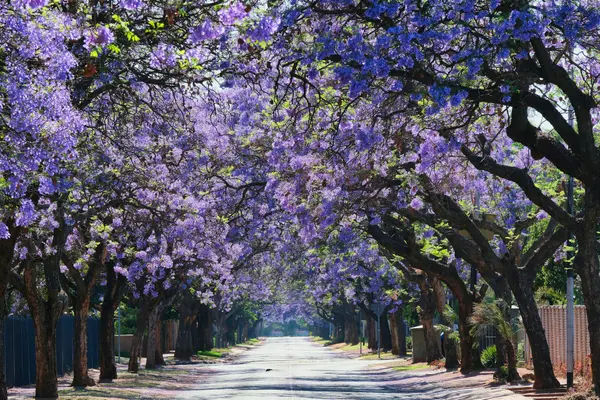
March and April. The shoulder. Jacarandas explode purple all over the city in March, which is one of the more absurdly beautiful things you’ll witness as a working adult. April is the warmest stretch — afternoons can hit 32°C and the air gets dry enough that you’ll feel it in your throat. Productive mornings, slow afternoons, big mezcal evenings. Semana Santa lands somewhere in here and the city does its religious-procession thing with full commitment.
May. The transition month, and lowkey one of the best-kept secrets. Hot but not yet humid, the first rains start tiptoeing in toward the end of the month, and tourism dips noticeably. Cafés have space. Mezcalerías have stools. Your favorite comida corrida spot remembers your name faster.
June to September. Rainy season proper. More on this below because it deserves its own paragraph and is wildly misunderstood.
October. The other secret-best month. Rains are tapering, everything is impossibly green, temperatures are forgiving, and the city is gearing up for Day of the Dead at the end of the month. If you want one window that combines lush landscapes, working weather, and a genuine cultural high point, this is it.
Why rainy season is not what you think
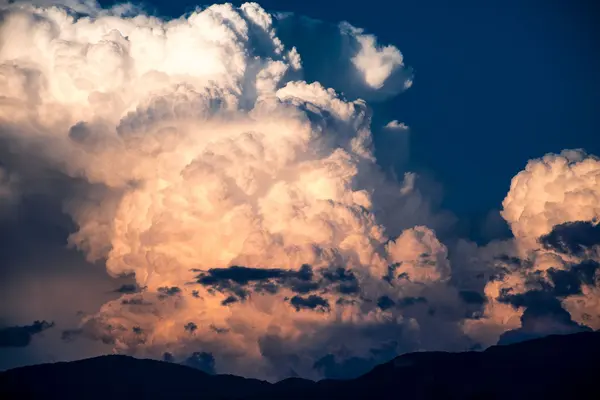
Tell someone Oaxaca’s rainy season runs five months and they picture monsoon greyness, ruined laptops, and a forecast of permanent disappointment. The reality is almost the opposite. Rainy season here means clear, sunny mornings, dramatic late-afternoon thunderstorms that roll in around 4 or 5 p.m., and clear evenings afterward where everything smells like wet stone and copal.
A typical July day: you do deep work from 8 to noon under blue skies. You eat lunch outside. You watch the clouds stack up over the mountains around 3. By 4:30 the sky cracks open, you slam that laptop shut for fifteen minutes to watch the show from the rooftop, and by dinner it’s done. The streets are washed clean, the light is gold, and somebody is suggesting mezcal.
The valley turns ridiculously green. The mountains look hand-painted. Festivals like Guelaguetza land smack in the middle of all this, which is not an accident — July in Oaxaca is iconic for a reason. The only practical wrinkle is that smaller cafés can lose WiFi briefly during storms, which is a great argument for working from a base where the internet is built to ride out a Thursday downpour.
The dates worth circling on a calendar
If your work flexes around festivals (and Oaxaca’s do tend to crash your week whether you wanted them to or not), a few anchors:
- Late October to early November — Day of the Dead. The cemeteries become living rooms, the marigolds are everywhere, and the muertadas in Etla are the kind of thing you’ll talk about for years. Book three months out, minimum.
- All of July — Guelaguetza, the celebration of the eight regions of Oaxaca. Music, dance, food, parades. Prices climb. Energy unreal.
- Mid-December — Noche de Rábanos, where carved-radish art is somehow taken extremely seriously, and the December festival sequence rolls into Christmas with calendas through every neighborhood.
- Semana Santa — moves with Easter. Quieter and more solemn than the headline festivals, but the processions through Centro are something else.
If you want the city in its mellowest, lowest-friction state, target September or early November. If you want full sensory overload, July or late October.
What to actually pack
The mistake first-timers make is overpacking for one season. The right move is a small kit that handles the daily range, not the seasonal one.
- Layers, always. A t-shirt for noon and a sweater for sunset is the default outfit nine months a year.
- A real rain jacket between May and October. Not a poncho. Not a hoodie you’ll regret.
- Shoes you can walk cobblestones in. The cobblestones win every fight. Save the fancy soles for going home.
- SPF that actually works. Altitude sun is sneakier than coastal sun — you’ll burn faster than the temperature suggests.
- A reusable water bottle. The dry months are dry enough that you’ll go through more water than you think.
One genuinely useful tip nobody mentions: bring a small power bank. Rainy-season storms occasionally cause brief outages in older neighborhoods, and you don’t want your laptop choosing that moment to die. The serious colivings have UPS systems on the routers, but cafés are a coin flip.
So when should you actually come?
If you can only do one stretch and you want the safest weather bet: November through February. Reliably gorgeous, festival energy without the overwhelm, sleep weather at night.
If you want shoulder-season value, fewer crowds, and the city in a quieter mood: May, September, or early November.
If you want the most photogenic, dramatic, alive version of Oaxaca: July or late October into November. Plan the work calendar carefully — these are months that pull you out of your chair.
The honest answer for most people we host is that there isn’t a wrong month. There are months that suit different versions of what you came here to do. A July visit is a different city from a January one, and both will leave you trying to figure out how to come back.
If you want a base where the WiFi rides out the storms, the rooftop catches every sunset, and the kitchen already has people who know which mezcalería to walk to on a Tuesday — grab a room at CO404 Oaxaca. Bring a light jacket for the evenings, a real rain jacket if it’s June, and zero expectations about how Tuesday is supposed to feel.
Comments